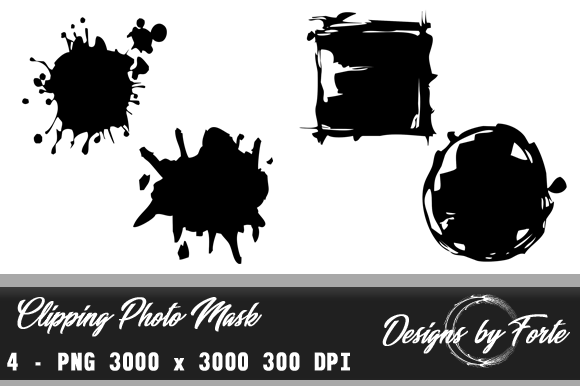
Clipping Photo Mask in PNG Format
Clipping Photo Mask is a powerful tool used by designers, marketers, and content creators to enhance visual storytelling. It allows you to place an image precisely over another background while maintaining the transparency of the original image. This technique is especially useful when working with PNG Transparent format, which ensures that your clipped image blends seamlessly into any design or layout.
Whether you're creating product mockups, designing social media posts, or preparing visuals for print, having a high-resolution 3000 x 3000 300 dpi Clipping Photo Mask can make all the difference. These specifications ensure that your images remain sharp and clear even when scaled up, making them ideal for both digital and print use.
What Is Clipping Photo Mask?
At its core, Clipping Photo Mask involves using a transparent layer to define where an image should appear on top of another image or background. Think of it like using a stencil—only the parts of the image that align with the mask are visible. The rest remains hidden, allowing for creative freedom and precise control over how elements interact within a composition.
This technique is widely used in graphic design, photography, and digital marketing. For example, if you want to showcase a product against a different background without altering the actual product image, a Clipping Photo Mask makes this possible. It's also commonly used to remove unwanted backgrounds from photos, making them more versatile for various applications.
Why Choose PNG Transparent Format?
When working with Clipping Photo Masks, choosing the right file format is crucial. PNG (Portable Network Graphics) is the preferred choice due to its support for transparency. Unlike JPEG, which only supports solid colors, PNG allows for alpha channels that define the level of transparency in each pixel. This means that your masked image will maintain its clarity and detail when placed on different backgrounds.
Moreover, PNG files support lossless compression, ensuring that your images retain their quality no matter how many times they're opened or edited. This is particularly important when dealing with high-resolution images such as those at 3000 x 3000 300 dpi, which require precision and detail to look their best.
Where Can You Use Clipping Photo Mask?
The versatility of Clipping Photo Mask makes it applicable across a wide range of industries and personal projects. Here are some common use cases:
- E-commerce: Product showcases on websites often use Clipping Photo Masks to display items against clean, branded backgrounds.
- Social Media: Marketers and influencers use this technique to create eye-catching visuals for platforms like Instagram, Facebook, and Pinterest.
- Print Design: Brochures, flyers, and magazine layouts benefit from the precision offered by Clipping Photo Masks.
- Photography: Photographers may use this method to isolate subjects from their backgrounds for artistic or editorial purposes.
- Education: Teachers and educators can incorporate Clipping Photo Masks into presentations or digital resources to illustrate complex concepts visually.
No matter your field, the ability to manipulate images with a Clipping Photo Mask opens up endless possibilities for creativity and customization.
Practical Examples and Use Cases
Let's say you're running an online store and need to update your product listings. Instead of rephotographing every item on a white background, you can use a Clipping Photo Mask to place your existing product images onto new, branded backgrounds. This not only saves time but also maintains consistency in your brand's visual identity.
Another scenario might involve a blogger who wants to highlight a specific part of an image in a post. By applying a Clipping Photo Mask, they can focus attention on the most relevant details without distracting the reader with unnecessary elements in the background.
Even hobbyists and DIY enthusiasts can benefit from this technique. For instance, someone creating custom stickers or vinyl wraps might use a Clipping Photo Mask to ensure that only the desired portion of an image is applied to the material.
Important Considerations Before Using Clipping Photo Mask
While Clipping Photo Mask offers many benefits, there are a few things to keep in mind before getting started:
- Image Quality: Always start with high-quality source images. Low-resolution images will not look good after clipping and may appear pixelated or blurry.
- File Size: High-resolution PNG files can be large, so consider optimizing them for web use if needed. Tools like Photoshop or online compressors can help reduce file size without sacrificing too much quality.
- Software Compatibility: Not all design software supports advanced masking features. Make sure your chosen tool has the capability to handle PNG transparency and high-resolution images effectively.
- Learning Curve: If you're new to this technique, take some time to learn the basics. Online tutorials and practice exercises can help you become more comfortable with the process.
By keeping these factors in mind, you'll be better equipped to use Clipping Photo Mask effectively and achieve professional results.
Whether you're a beginner looking to explore new design techniques or a professional seeking to streamline your workflow, understanding and utilizing Clipping Photo Mask in PNG Transparent format can significantly enhance your visual projects. With the right tools and knowledge, you'll be able to create stunning, high-quality images that stand out in any context.