Exploring Ramadan Mubarak Calligraphy with Lantern: A Beautiful Blend of Tradition and Art
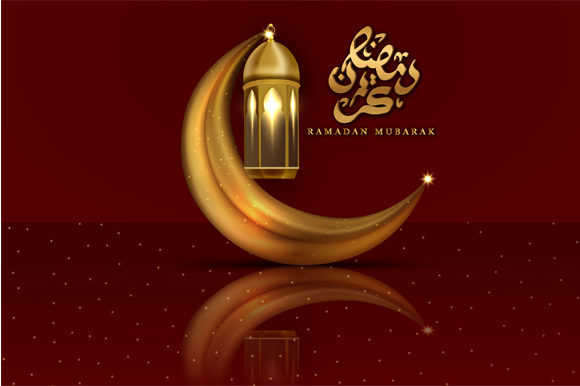
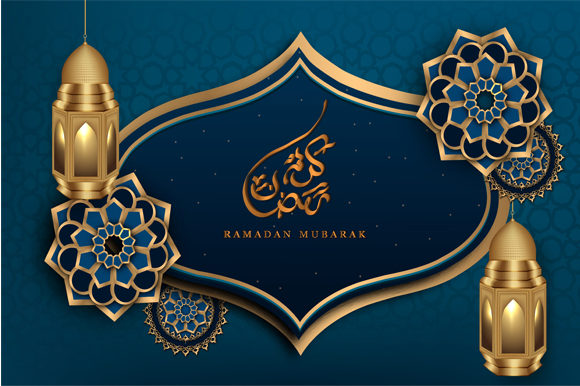
Ramadan Mubarak Calligraphy with Lantern is a stunning visual representation of the holy month of Ramadan, combining intricate Islamic calligraphy with the symbolism of the lantern. This design element is often used in greetings, banners, cards, and decorations to celebrate the arrival of Ramadan and convey warm wishes like "Ramadan Mubarak" or "Happy Ramadan." Whether you're designing a poster for your mosque, creating a greeting card, or looking for digital art to use on social media, this style offers a unique way to honor the occasion with elegance and cultural significance.
Why Ramadan Mubarak Calligraphy with Lantern Is Popular
This design combines the beauty of Arabic calligraphy with the traditional symbol of the lantern, which represents light, guidance, and hope—key themes during Ramadan. The lantern is often depicted as a decorative element surrounding the calligraphy, adding depth and dimension to the overall composition. This makes it a popular choice for religious events, Islamic celebrations, and even secular occasions that aim to embrace Islamic culture and aesthetics.
The use of floral patterns, arabesque designs, and abstract elements enhances the visual appeal of these artworks, making them suitable for both traditional and modern contexts. They are commonly used in Islamic art, posters, backgrounds, and even as part of digital illustrations for websites or social media posts.
Common Mistakes When Using Ramadan Mubarak Calligraphy with Lantern
While the design is visually appealing, there are common mistakes people make when using or creating Ramadan Mubarak Calligraphy with Lantern. These errors can affect the quality, usability, and overall impact of the artwork.
- Ignoring Cultural Context: Many creators may not fully understand the meaning behind the symbols used in Islamic art. For example, the lantern is not just an ornamental element—it symbolizes the light of faith and guidance. Misrepresenting or using it inappropriately can lead to unintended messages.
- Overcomplicating the Design: Adding too many elements like excessive patterns, colors, or text can make the design look cluttered and lose its focus. It’s important to maintain clarity and balance so that the message—like “Ramadan Mubarak”—remains prominent.
- Choosing Low-Quality Resources: When downloading or purchasing digital assets like vector files or images, opting for low-resolution or poorly designed versions can result in blurry or unprofessional outputs. This is especially important if the artwork will be printed or displayed on large formats like banners or posters.
- Misusing Fonts or Scripts: Not all Arabic fonts are appropriate for Islamic calligraphy. Some may appear disrespectful or incorrect in context. It's essential to choose scripts that align with traditional Islamic styles such as Thuluth, Naskh, or Diwani.
- Overlooking Practical Use: People often create beautiful designs without considering how they’ll be used. For example, a high-resolution image might be perfect for a digital background but unsuitable for printing on paper or fabric. Always check the intended use before finalizing the design.
How to Avoid Common Mistakes
To ensure your Ramadan Mubarak Calligraphy with Lantern design is both respectful and effective, follow these practical tips:
- Research the Meaning Behind Symbols: Before incorporating any Islamic symbols like the lantern, moon, or specific calligraphic styles, take time to understand their significance. This helps avoid misinterpretations and ensures your design honors the traditions correctly.
- Keep the Design Simple and Balanced: Focus on one main message or theme, such as “Ramadan Mubarak” or “Allah Hafiz,” and build the design around it. Use complementary elements like floral borders or abstract patterns to enhance the look without overwhelming the viewer.
- Use High-Quality Resources: If you're using digital assets, ensure they are high-resolution and professionally designed. Websites offering vector files or downloadable templates should be checked for reliability and authenticity. Look for resources from reputable designers or Islamic art communities.
- Choose the Right Script: Select calligraphy fonts that are traditionally used in Islamic art. Avoid generic or non-religious fonts that might not convey the right tone or respect. Consider using tools or software that offer authentic Arabic script options.
- Consider the Intended Use: If the design is for print, ensure it has sufficient resolution (at least 300 DPI). For digital use, optimize the file size while maintaining clarity. Also, think about color schemes—traditional colors like gold, white, and deep blue are often associated with Islamic art and can create a more authentic feel.
Realistic Examples and Better Approaches
Let’s say you’re creating a greeting card for Ramadan. A common mistake might be to add too much text, multiple languages, or unrelated imagery. Instead, focus on a single phrase like “Ramadan Mubarak” in elegant Arabic calligraphy, surrounded by a simple lantern illustration and minimal floral patterns. This keeps the design clean and impactful.
If you're designing a banner for a mosque or community event, ensure the text is large enough to be readable from a distance. Avoid using bright, garish colors that might clash with the traditional aesthetic. Opt for soft, muted tones that reflect the solemnity and beauty of the occasion.
Another example is when using digital illustrations for social media. A poorly optimized image might load slowly or appear pixelated. To prevent this, compress the image without sacrificing quality and use appropriate file formats like PNG or JPEG based on the platform’s requirements.
What to Check Before Finalizing Your Design
Before finalizing your Ramadan Mubarak Calligraphy with Lantern design, consider the following:
- Does the design accurately represent Islamic culture and tradition?
- Is the calligraphy legible and respectful in terms of font and style?
- Are the symbols like the lantern, moon, or mosque used appropriately and respectfully?
- Has the design been tested across different platforms or mediums (print, web, etc.)?
- Is the resolution and format suitable for the intended use?
By addressing these questions, you can ensure your design is both visually appealing and culturally respectful. Whether you're a beginner or an experienced designer, taking the time to understand the nuances of Islamic art will help you create more meaningful and impactful work.
Ramadan Mubarak Calligraphy with Lantern is more than just a design trend—it’s a celebration of faith, culture, and artistic expression. By avoiding common mistakes and focusing on quality, clarity, and respect, you can create beautiful pieces that resonate with the spirit of Ramadan and bring joy to those who see them.