Wall Fixtures: Enhancing Lighting, Design, and Functionality in Modern Spaces
The Role of Wall Fixtures in Interior Design
Wall fixtures have long been a staple in interior design, offering both functional lighting and aesthetic appeal. From traditional sconces to modern LED panels, these installations serve as more than just sources of illumination—they are integral elements that define the character of a room. Whether you're designing a contemporary office space or a cozy home environment, wall fixtures can elevate the overall ambiance and usability of any area.
One of the most significant advantages of wall fixtures is their ability to provide directional lighting. Unlike overhead lights, which often cast harsh shadows, wall-mounted options allow for more controlled and focused illumination. This makes them ideal for task areas such as reading nooks, kitchen countertops, or workstations. By strategically placing these fixtures, you can create layered lighting that enhances both comfort and visual interest.
In addition to their practical benefits, wall fixtures contribute to the decorative aspect of a space. With a wide range of styles available—from sleek, minimalist designs to ornate, vintage-inspired models—there's a fixture to suit every taste and interior theme. The materials used, such as glass, metal, or wood, further add to the visual impact, making wall fixtures a versatile component of any decor scheme.
Types of Wall Fixtures and Their Applications
There are several types of wall fixtures, each designed for specific purposes and environments. Understanding the different categories can help you choose the right option for your needs.
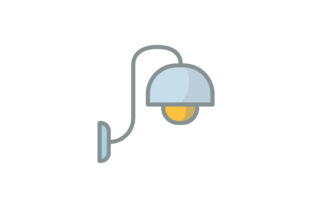
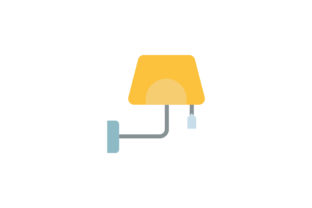
- Sconces: These are perhaps the most common type of wall fixture, typically mounted on the side of a wall. They come in various forms, including backlit, pendant, and flush-mounted styles. Sconces are excellent for adding ambient light to hallways, bedrooms, or living rooms.
- Accent Lights: Designed to highlight specific features or artwork, accent lights are often used in galleries, museums, or high-end residential spaces. They can be adjusted to direct light precisely where it's needed.
- Task Lighting: For areas that require focused illumination, such as kitchens, bathrooms, or home offices, task lighting fixtures are essential. These may include under-cabinet lights, desk lamps, or wall-mounted reading lights.
- Decorative Fixtures: These fixtures serve primarily as statement pieces, often featuring intricate designs or unique materials. They are commonly found in entryways, foyers, or dining areas, where they can make a bold visual impact.
Each of these types has its own set of advantages and considerations. For instance, sconces are generally easy to install and maintain, while decorative fixtures may require more careful planning to ensure they complement the existing decor.
Design Considerations for Wall Fixtures
When selecting wall fixtures, it's important to consider several factors that will influence both the functionality and appearance of the installation. One of the primary considerations is the lighting needs of the space. If the room requires ample illumination, you may want to opt for fixtures with higher wattage or those that utilize energy-efficient bulbs like LEDs.
Style and aesthetics also play a crucial role in the selection process. The fixture should harmonize with the overall design of the room. For example, a modern, minimalist space might benefit from sleek, low-profile fixtures, while a more traditional setting could call for ornate, detailed designs.
Space and layout are additional factors to keep in mind. The size and shape of the room, along with the placement of furniture, can affect where and how many fixtures you need. In smaller rooms, fewer but more impactful fixtures may be preferable, whereas larger spaces may require multiple installations to ensure even lighting distribution.
Energy efficiency is another key consideration, especially in today's environmentally conscious world. Many modern wall fixtures are designed with energy-saving technologies in mind, using LED bulbs that consume less power while providing the same level of brightness. This not only reduces electricity bills but also contributes to a more sustainable lifestyle.
Installation and Maintenance of Wall Fixtures
Proper installation is essential for ensuring the safety and effectiveness of wall fixtures. While some fixtures can be installed by homeowners with basic electrical knowledge, others may require the assistance of a licensed electrician. It's important to follow the manufacturer's instructions carefully and adhere to local building codes to avoid any potential hazards.
Maintenance is relatively straightforward for most wall fixtures. Regular cleaning with a soft cloth or duster can help keep the surfaces free from dust and debris, which can otherwise dull the appearance of the fixture. Additionally, checking the bulbs periodically and replacing them when necessary ensures that the lighting remains consistent and efficient.
For fixtures that use LED bulbs, it's worth noting that these have a longer lifespan compared to traditional incandescent bulbs. This means fewer replacements and less frequent maintenance, making them a cost-effective choice in the long run.
Innovations in Wall Fixture Technology
The field of wall fixtures has seen numerous innovations in recent years, driven by advancements in technology and changing consumer preferences. One of the most notable trends is the integration of smart lighting systems into wall fixtures. These systems allow users to control the brightness, color temperature, and even schedule lighting patterns through smartphone apps or voice-activated assistants.
Another innovation is the use of energy-efficient materials and construction techniques. Many manufacturers now produce fixtures made from recycled or sustainable materials, reducing their environmental footprint. Additionally, some models feature built-in motion sensors or timers, which can help conserve energy by automatically adjusting the lighting based on activity levels.
Design versatility has also expanded with the introduction of modular and customizable fixtures. These allow users to mix and match components to create a unique look that suits their personal style. Whether it's a combination of metal and glass elements or a blend of retro and modern influences, there are endless possibilities for customization.
As technology continues to evolve, so too will the capabilities and designs of wall fixtures. Staying informed about the latest developments can help you make choices that are not only stylish but also future-proof.
Conclusion
Wall fixtures are much more than simple lighting solutions—they are dynamic elements that enhance both the functionality and beauty of any space. Whether you're looking to improve the lighting in your home or office, or simply want to add a touch of style to your interiors, there's a fixture that can meet your needs. By considering factors such as design, functionality, and energy efficiency, you can select the perfect wall fixture that complements your space and lifestyle.