Thankful: A Versatile Decorative Asset for Creative and Professional Workflows
When it comes to integrating meaningful visuals into your creative or professional projects, having a high-quality decorative element like Thankful can make all the difference. Whether you're designing marketing materials, creating digital assets, or enhancing print outputs, the Thankful graphic offers flexibility and professionalism that aligns with a variety of workflows.
This article explores how Thankful fits into broader creative and business processes, from initial planning to final execution. It also highlights practical use cases, compatibility across formats, and tips for seamless integration into your existing tools and systems.
Understanding What Thankful Is and How It Fits Into Your Workflow
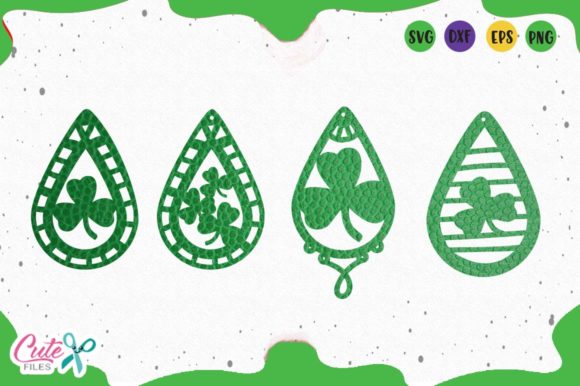
Thankful is more than just a visual asset—it's a versatile design element that can be used in numerous contexts. The file includes multiple formats such as SVG, PNG, PDF, EPS, AI, JPG, and DXF, ensuring compatibility with both digital and print-based platforms. Its transparent background makes it adaptable for overlays, banners, social media posts, and more.
In a broader workflow, Thankful serves as a symbolic or thematic component. For instance, it might represent gratitude in a campaign around holiday seasonality, serve as a branding element in a seasonal product launch, or act as a motivational graphic within an educational or productivity-focused project.
Where Thankful Can Be Used in Your Process
The versatility of Thankful means it can be integrated at various stages of a project. Here are some scenarios where it might be useful:
- Before a Project: Use Thankful as part of pre-planning to set a positive tone, especially when launching a new initiative or campaign centered on gratitude, community, or reflection.
- During a Project: Incorporate Thankful into ongoing tasks, such as using it in presentations, newsletters, or promotional content to maintain thematic consistency.
- After a Project: Utilize Thankful as a closing element, whether in thank-you notes, customer appreciation emails, or end-of-year summaries.
Its adaptability allows it to be used not only in commercial settings but also in personal or educational contexts. Educators might include it in classroom materials to encourage reflection, while bloggers could feature it in articles about mindfulness or self-care.
How Thankful Interacts With Other Tools and Resources
Thankful is designed to work seamlessly with a wide range of design and publishing tools. Its availability in vector formats (SVG, EPS, AI) ensures scalability without loss of quality, making it ideal for both digital and print applications. The transparent background also allows it to blend effortlessly with other design elements, whether layered over photos, backgrounds, or text.
For professionals using Adobe Illustrator or Inkscape, the AI and EPS files provide full editability, allowing customization to match brand colors, typography, or layout requirements. Graphic designers working in Canva or Photoshop will appreciate the PNG and JPG formats for quick drag-and-drop integration.
Additionally, its DXF format supports users in industries that require CAD software, such as signage, manufacturing, or custom product design. This cross-format compatibility ensures that Thankful can be part of a cohesive workflow regardless of the tools being used.
Practical Implementation Tips for Different Users
Depending on your role or industry, here are some tailored tips for incorporating Thankful effectively:
- Marketers: Use Thankful in email campaigns, social media graphics, or website banners during the holiday season to evoke a sense of gratitude and community.
- Entrepreneurs: Feature Thankful in client proposals, team meetings, or internal communications to reinforce a culture of appreciation and positivity.
- Freelancers: Add Thankful to your portfolio, blog headers, or client deliverables as a subtle yet meaningful touch that reflects your values.
- Educators: Integrate Thankful into lesson plans, classroom posters, or student assignments to encourage reflection and emotional intelligence.
- Small Business Owners: Display Thankful in physical or digital storefronts to create a welcoming atmosphere and foster customer connection.
Factors to Consider When Using Thankful
To ensure that Thankful enhances rather than hinders your workflow, consider the following factors:
- Preparation: Before using Thankful, evaluate its fit within your overall design or messaging strategy. Does it support the theme, message, or purpose of your project?
- Compatibility: Choose the appropriate file format based on the platform or tool you're using. Vector formats are best for scalable designs, while raster formats may be more suitable for web use.
- Usability: Ensure that Thankful is easy to access, modify, and integrate. If you plan to edit it frequently, opt for editable vector files.
- Organization: Keep your design assets well-organized, especially if you’re using multiple versions or variations of Thankful.
- Efficiency: Leverage automation tools or templates that allow for quick insertion of Thankful into recurring projects, such as monthly newsletters or seasonal promotions.
- Consistency: Maintain a consistent look and feel by using Thankful in alignment with your brand’s visual identity and color scheme.
- Quality Control: Review the final output to ensure that Thankful appears crisp and clear, particularly when printed or viewed on high-resolution screens.
- Long-Term Use: Consider how Thankful might be repurposed or adapted for future projects, ensuring its longevity and value in your creative arsenal.
Conclusion
Thankful is more than a decorative graphic—it’s a valuable asset that can enhance a wide range of creative and professional workflows. Whether you're a marketer, educator, entrepreneur, or hobbyist, its flexibility, quality, and compatibility make it an excellent choice for adding a meaningful touch to your projects. By understanding how and when to use Thankful, you can integrate it smoothly into your routine, ensuring it adds value without unnecessary complexity.