Flower Clip Art: Strategic Use for Creative and Professional Projects
Flower clip art is a versatile design element that can enhance visual communication across a wide range of applications, from digital marketing to personal creative projects. When used with intention, flower clip art can support strategic goals by reinforcing brand identity, improving user engagement, and adding aesthetic value to content. Whether you're designing a business card, creating a presentation, or planning a scrapbook layout, understanding how to use flower clip art effectively is essential.
Understanding Flower Clip Art and Its Strategic Value
Flower clip art refers to pre-designed images of flowers that are often used in graphic design, publishing, and digital media. These images come in various formats, including PNG files at high resolutions such as 300 dpi, which ensures clarity and quality when printed or displayed digitally. The versatility of flower clip art makes it suitable for both simple and complex projects.
For professionals involved in branding, flower clip art can serve as a subtle yet effective way to communicate themes related to nature, growth, and beauty. In educational contexts, it can be used to illustrate botanical concepts or create visually engaging learning materials. For hobbyists and creatives, flower clip art offers an accessible resource for enhancing handmade cards, scrapbooks, and other artistic endeavors.
Strategic Applications of Flower Clip Art
The thoughtful application of flower clip art requires an understanding of context, audience, and purpose. Here are several strategic ways to incorporate flower clip art into your work:
- Brand Identity: Incorporating flower clip art into logos, packaging, or website designs can help establish a connection with nature-based themes, making the brand more relatable and appealing.
- Marketing Materials: Use flower clip art in promotional materials such as flyers, social media posts, or email campaigns to create a cohesive visual theme that resonates with the target audience.
- Educational Content: Teachers and educators can use flower clip art in presentations, worksheets, or digital learning modules to make information more engaging and visually stimulating.
- Creative Projects: Hobbyists and artists can integrate flower clip art into scrapbooking, card making, and collage work to add depth and visual interest without the need for hand-drawn illustrations.
When selecting flower clip art, consider the overall design scheme and the message you want to convey. For example, rose clip art may symbolize love and romance, while meadow plants clip art can evoke a sense of tranquility and natural beauty.
How to Approach Using Flower Clip Art Effectively
To ensure that flower clip art enhances rather than distracts from your project, it's important to approach its use with a clear plan. Begin by defining the purpose of your project and identifying the key messages you want to communicate. This will help guide your choice of imagery and ensure that the flower clip art aligns with your goals.
Consider the following steps when incorporating flower clip art into your design:
- Determine the Project Scope: Understand the size, format, and intended use of your project. Will it be printed, displayed online, or used in a presentation? This will influence the resolution and file type you choose.
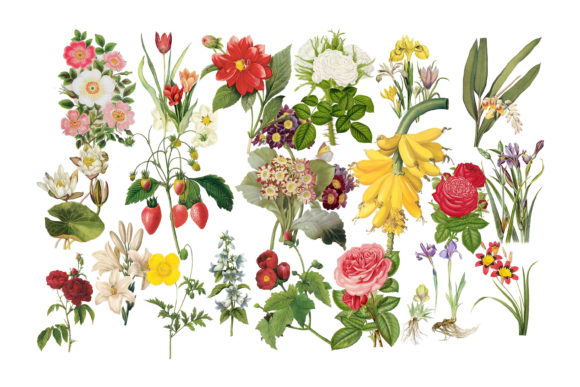
- Select Relevant Imagery: Choose flower clip art that reflects the theme and tone of your project. For instance, herbarium illustration may be appropriate for scientific or educational materials, while vintage graphics might suit retro-themed designs.
- Ensure Quality and Compatibility: Opt for high-quality flower clip art such as 300 dpi PNG files, which provide sharp details and are suitable for both print and digital use. Ensure that the chosen files are compatible with your design software or platform.
- Balance and Composition: Avoid overloading your design with too many elements. Use flower clip art strategically to complement other visual components and maintain a clean, professional look.
By following these steps, you can ensure that your use of flower clip art is intentional and impactful.
Potential Risks and Considerations
While flower clip art can be a valuable asset, there are potential risks associated with its use if not approached thoughtfully. One common issue is the risk of using generic or overused imagery that fails to resonate with the audience. Additionally, poor quality flower clip art can detract from the professionalism of a project, especially in business or educational settings.
Another consideration is copyright and licensing. Always ensure that the flower clip art you use is royalty-free or properly licensed for your intended use. This is particularly important for commercial projects where legal compliance is crucial.
Lastly, avoid using flower clip art randomly without considering its relevance to the overall message or design. A well-planned approach will help you achieve better results and avoid the pitfalls of haphazard design choices.
Practical Examples and Planning Tips
Here are some practical examples of how flower clip art can be used in different scenarios:
- Business Cards: Add a subtle floral border or background using flower clip art to give your business card a unique and elegant touch.
- Website Design: Use flower clip art as part of a larger visual theme to create a cohesive and aesthetically pleasing interface.
- Scrapbooking: Incorporate flower clip art into layouts to enhance storytelling and add visual interest to your pages.
- Printed Materials: Use flower clip art in brochures, posters, or invitations to reinforce the theme and improve visual appeal.
When planning your use of flower clip art, start by outlining your goals and identifying the key elements that need to be communicated. This will help you select the most appropriate imagery and ensure that your design aligns with your objectives.
Additionally, consider experimenting with different styles and formats of flower clip art to find what works best for your project. Whether you're using herbarium clip art for a botanical illustration or vintage graphics for a nostalgic design, the right choice can make all the difference.
Remember that flower clip art should always serve a purpose and contribute to the overall effectiveness of your design. By using it intentionally and strategically, you can create compelling visuals that support your goals and deliver meaningful results.